McCormick Ranch, Scottsdale: A Local Guide to Living, Homes & Real Estate
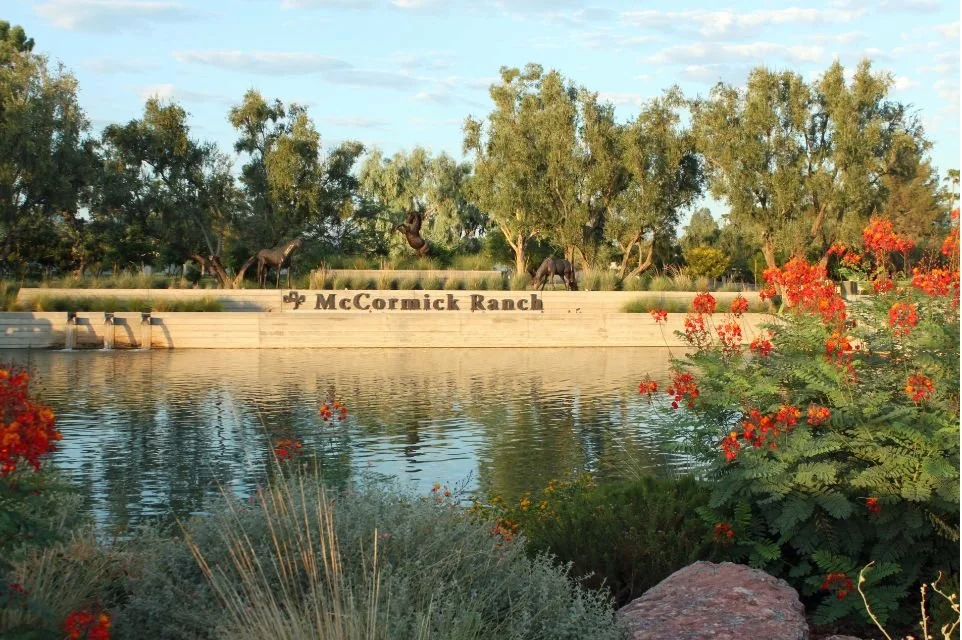
McCormick Ranch was Scottsdale's first master-planned community, built out between 1972 and 1989 on land that was a working cattle and Arabian horse ranch twenty years earlier. The question worth answering about a neighborhood this age is whether it can still compete with everything newer that's gone up since. It can, and the reasons come down to location, mature landscaping, and a lake and greenbelt system that newer Scottsdale developments simply don't have room to replicate.
Why McCormick Ranch Is Still One of Scottsdale's Most Recognizable Neighborhoods
Most of what gets built in Scottsdale today sits north of Shea Boulevard, on land that was still open desert when McCormick Ranch broke ground. McCormick Ranch sits in central Scottsdale instead, between Indian Bend Road and Shea, which means residents are minutes from Old Town Scottsdale, Fashion Square, and the restaurant corridor along Scottsdale Road without living inside the density of downtown.
The other advantage is one that can't be built new. McCormick Ranch has roughly 130 acres of manmade lakes spread across the community and more than 25 miles of bike paths connecting them. The trees along those paths are decades old. A newer master-planned community can pour the same concrete and stock the same builder-grade landscaping, but it can't fast-forward fifty years of tree canopy. That maturity is a real factor in how the neighborhood feels to walk or bike through, not just a marketing line, and it's a big part of why I see so many out-of-state buyers gravitate here. McCormick Ranch is one of the only genuinely lush, green pockets anywhere in Scottsdale or Phoenix, and for someone relocating from a part of the country where that's just what a neighborhood looks like, it reads as familiar in a way most of the Valley doesn't.
What actually sets McCormick Ranch apart from a newer development isn't a single amenity. It's that the golf courses, the lakes, and the greenbelt were all planned together from the start, with retail built into the same plan rather than added later, and the neighborhood has had five decades to grow into it.
Where Is McCormick Ranch?
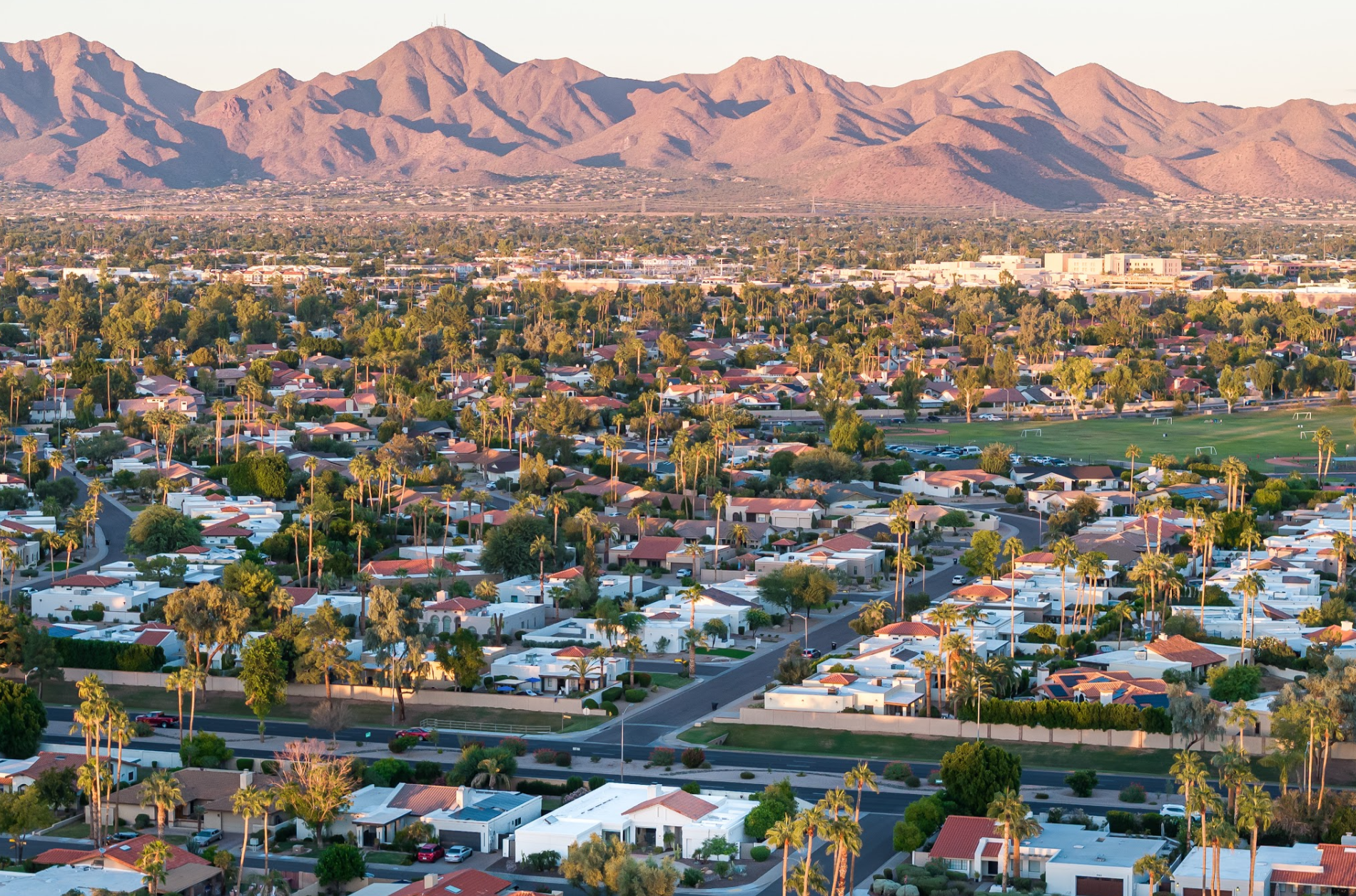
McCormick Ranch sits in central Scottsdale, running roughly from Indian Bend Road on the south to Shea Boulevard on the north, and from Scottsdale Road on the west to Hayden Road on the east. Paradise Valley borders it to the west. The Salt River Pima-Maricopa Indian Community borders it to the east. Gainey Ranch sits along its northern edge, and Scottsdale Ranch, which was originally part of the same ranch parcel before a 1980 land sale split it off, sits just to the northeast.
Old Town Scottsdale is a short drive south, typically ten to fifteen minutes depending on traffic and time of day. Phoenix Sky Harbor International Airport runs about 20 to 25 minutes under normal conditions, longer during rush hour. The community sits close to Loop 101 by way of Hayden Road and Via de Ventura, which makes it a practical base for anyone commuting north toward the airpark and Kierland corridor or south into central Phoenix.
Put simply, McCormick Ranch is a centrally located, lake and golf oriented master-planned community in the heart of Scottsdale, built primarily between 1972 and 1989.
How McCormick Ranch Developed
The land was once a working cattle and horse operation. Anne and Fowler McCormick purchased the original 160-acre parcel in the early 1940s and expanded it over the following decade to roughly 4,236 acres, raising Angus and Ayrshire cattle alongside a well-known Arabian horse breeding program. Fowler McCormick was the grandson of Cyrus McCormick, inventor of the mechanical reaper, and of John D. Rockefeller.
Anne McCormick died in 1969. The ranch sold the following year to developer Kaiser-Aetna for $12,100,000, which was at the time the largest sale ever recorded for a planned community site in the area. Kaiser-Aetna built the master plan around a design from Gruen Associates of Los Angeles working with Scottsdale Environmental Planners and Consultants, and incorporated the McCormick Ranch Property Owners' Association in September 1972 to govern the community going forward. Development proceeded in phases through 1989.
One decision from that era still shapes the neighborhood today. In 1980, the developer sold a portion of the remaining undeveloped acreage to another company, which in turn sold roughly 1,120 acres to become what is now Scottsdale Ranch. That's why the two communities sit side by side and share a similar lake-and-greenbelt character, but operate as separate neighborhoods with separate identities.
What Living in McCormick Ranch Actually Feels Like
McCormick Ranch isn't one uniform experience. The interior streets, tucked behind the retail corridors on Hayden Road and Via Linda, are quiet and residential, shaded by trees that have had fifty years to mature. Many of those streets run along a lake, a golf fairway, or the greenbelt itself, which is part of why the neighborhood reads as more established than its age might suggest on paper.
The greenbelt is the reason for a lot of that. It's not a single park but a connected corridor of paths, lakes, and open space that runs through the community and links up with the broader Indian Bend Wash system, which carries all the way down toward Old Town. Residents use it to walk dogs, run, and bike, and for a lot of households it functions as the default way to get from home to a coffee shop or restaurant without pulling a car out of the garage.
That said, McCormick Ranch is not uniformly walkable, and I'd rather say that plainly than oversell it. The interior residential pockets, particularly the ones farther from Hayden Road, Via Linda, or Scottsdale Road, are a short drive from daily errands even if they're a pleasant walk or bike ride. The retail corridors themselves, especially the shops along Hayden Road and the Paseo Village area, are genuinely walkable if you live close enough. Restaurants and coffee shops sit within a few blocks of a gym and the everyday services most people run out for. Whether a specific address feels walkable comes down to which subdivision it's in, and that's worth checking street by street rather than assuming.
The McCormick-Stillman Railroad Park and Scottsdale Greenbelt
Two features do more to define daily life here than any single restaurant or shop.
The Indian Bend Wash Greenbelt was originally engineered as flood control, a way to move stormwater through the valley without building a concrete channel through the middle of the city. The lakes and open lawns throughout McCormick Ranch are part of that same system, which is why the community has this much water and green space in a desert climate. It works as recreation and infrastructure at the same time, and it connects McCormick Ranch's internal path network to the broader trail system that runs south toward Old Town Scottsdale.
McCormick-Stillman Railroad Park sits on 30 acres at the southeast corner of Indian Bend and Scottsdale roads, land the McCormick family donated to the city in 1967. Guy Stillman, Anne McCormick's son, built a 15-inch gauge railroad replica on the site, and the park opened to the public on October 4, 1975, complete with a railroad museum and several model train clubs.
It's a genuine draw for locals, not just something visitors stumble into, and it's one of the reasons families with young kids gravitate toward this part of Scottsdale. The park just finished a $13,100,000 renovation, funded partly through bond financing Scottsdale voters approved in 2019. The Roundhouse, a 10,000 square foot indoor play space with a locomotive-shaped play structure, opened alongside a 5,000 square foot splashpad. A new entry plaza went in next to Stillman Station with shaded seating, public art, new restrooms, lighting, and freshly planted trees, and the outdoor playground was redone with new swings, slides, and shade structures. The historic train cars were relocated as part of the work too. I made an Instagram Reel about the indoor playplace. Check it out here.

Golf in McCormick Ranch
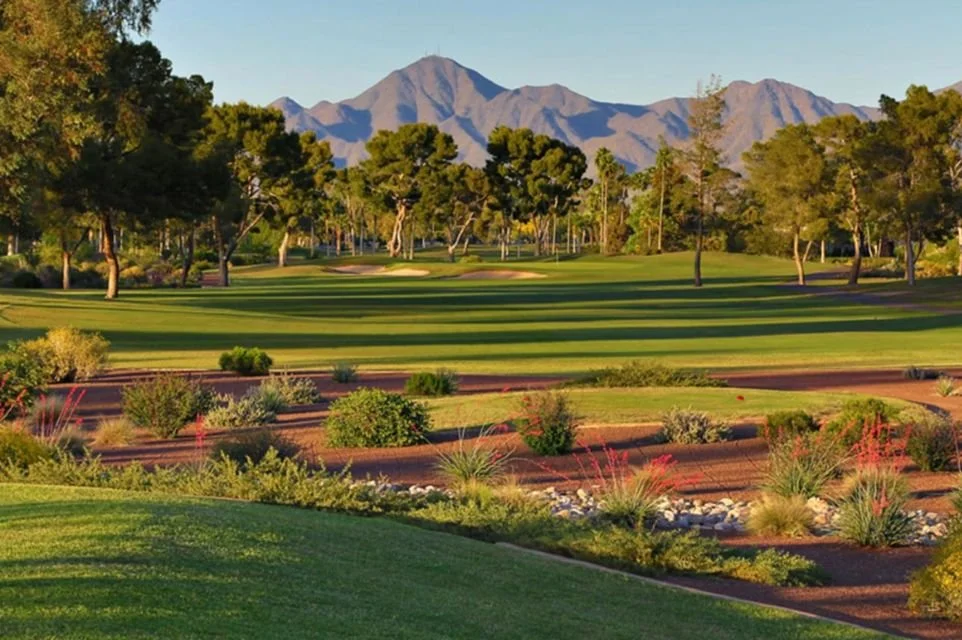
McCormick Ranch Golf Club operates two 18-hole championship courses, the Palm and the Pine, both designed by golf architect Desmond Muirhead and opened in 1972. The Palm plays through mountain views with water in play on ten holes, and it's the tougher of the two, with large, well-defended elevated greens that catch more players off guard than the yardage alone would suggest. The Pine is narrower and more heavily shaded by mature trees, a different kind of test rather than an easier one. Both are public, daily-fee courses open every day of the year, with annual memberships available and no initiation fee required.
Not every home in McCormick Ranch touches the golf course, and I wouldn't describe the neighborhood as a golf community in the way that term usually gets used for a gated, single-course development. What golf frontage does affect is a specific subset of homes along the Palm and Pine fairways, where buyers should weigh the tradeoffs honestly. Fairway and green views can carry a real premium, and they also mean less privacy at certain hours, occasional stray balls, and lot orientation that matters more than it would on an interior street. I walk clients through those tradeoffs on a case by case basis rather than assuming golf frontage is automatically a selling point or a liability.
Restaurants, Coffee & Everyday Conveniences
McCormick Ranch has enough retail built directly into the community that most errands don't require leaving it. The Hayden Road corridor, including the Village on Hayden and Mercado on Hayden centers, carries a mix that ranges from Campo Italian Bistro and Bar and Grassroots Kitchen & Tap to Village Coffee Roastery and Press Coffee. Zipps Sports Grill and Obon Sushi + Bar + Ramen sit in the same stretch, and Starfish Scottsdale, a coastal Asian concept that opened this spring at Hayden and Via de Ventura, brought a level of buzz to the corridor that's rare for a neighborhood restaurant opening.
For more places worth trying nearby, see my guide to the best coffee shops in Scottsdale, including several stops in and around McCormick Ranch.
Paseo Village and the adjacent Grove at McCormick cover the daily essentials, from a Walgreens to a credit union, alongside restaurants like The Vig, Luci's at the Grove, and DiMaggio's, a New York-style Italian spot that's built a loyal following since relocating there. Scottsdale Seville, at Scottsdale Road and Indian Bend, leans more upscale, with Ruth's Chris Steakhouse, Terroir Wine Pub, and Pubblico Italian. A few blocks north, the Artesia Village shops include Roka Akor, a well-regarded Japanese steakhouse that draws diners from outside the neighborhood.
For groceries, Fry's and Sprouts both have locations serving the community, and the retail centers along Via Linda and Shea Boulevard fill in the rest, from a bowling alley at Bowlero Plaza to a full auto service corridor on 90th Street. None of this requires a trip to Old Town or north Scottsdale for routine errands, which is part of what makes the neighborhood function well for full-time residents rather than just golf-season visitors.
Homes & Architecture in McCormick Ranch
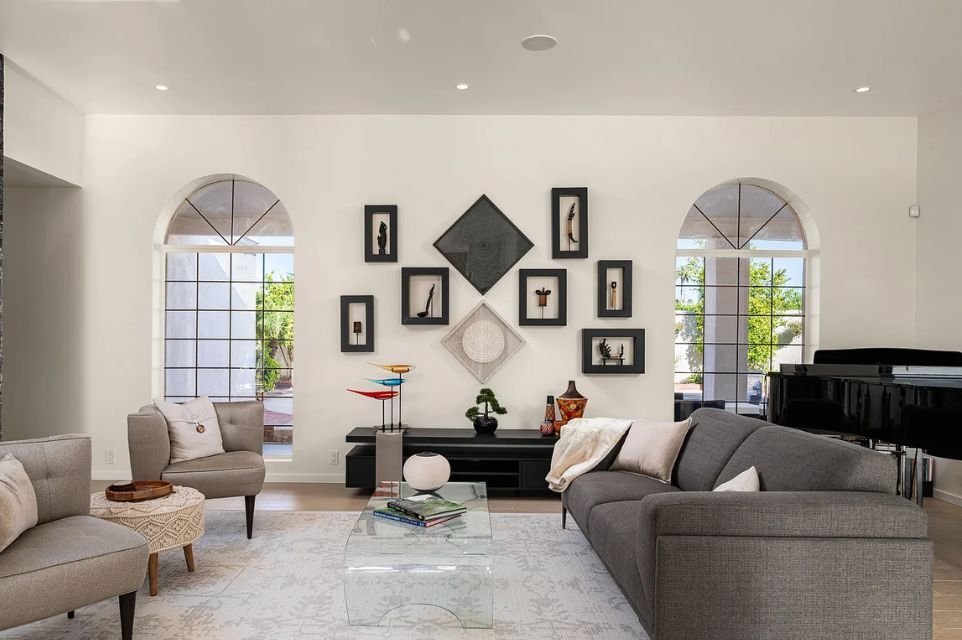
Most of McCormick Ranch is original single-family ranch homes from the 1970s and 1980s, a lot of them remodeled by now. There are also patio homes, townhomes, and condominiums built at different points as the community filled in. Some homes sit on a lake or back a golf fairway, and plenty have no water or course exposure at all.
Architecturally, two styles dominate. The original 1970s ranch homes are mostly single-story, built with low-pitched roofs and strong horizontal lines, and designed around deep indoor-outdoor connections to patios and courtyards. The other is Mission and Spanish Revival, borrowed from Southern California development styles of the same era, recognizable by stucco exteriors, low-sloped tile roofs, exposed wood beams, and warm earth tones. A lot of what has been remodeled here over the last decade works within those bones rather than against them, which is part of why the neighborhood still reads as cohesive despite fifty years of individual renovations.
Most of the single-family stock dates to the original construction era, which means buyers are typically choosing between a home that's been meaningfully updated and one that hasn't. That distinction affects price more than almost anything else in this neighborhood. Two homes with nearly identical square footage can trade tens or even hundreds of thousands of dollars apart depending on whether the kitchen, bathrooms, and mechanical systems have been touched since the 1980s, plus whatever premium or discount the lot itself carries for lake frontage, golf exposure, or interior location.
I tell buyers looking at original-condition homes here to budget realistically for what a full renovation actually costs in this market, not what the listing photos might suggest. A well-executed remodel on a good McCormick Ranch lot, particularly one near the greenbelt or a lake, is often the better long-term play than a smaller newer build farther out.
McCormick Ranch Neighborhoods and Subdivisions
McCormick Ranch is about 67 individually named subdivisions rather than one uniform neighborhood. Some, like the Village I through V communities, are large and well established. Others, like Casabella or Heritage Village, are smaller pockets with a more specific identity, usually built around a particular lot size, attached versus detached product, or proximity to a lake or golf fairway.
The HOA structure follows that same layering, and it's the part buyers get surprised by. Everyone in McCormick Ranch pays into the McCormick Ranch Property Owners' Association, which covers the shared pieces that make the neighborhood look the way it does: the greenbelt grass, the entry monuments, the common landscaping along the main roads. That baseline runs roughly $260 a year, which is cheap for what it maintains, and it applies no matter which subdivision you buy in.
On top of that, most subdivisions carry their own separate association with its own dues, management company, and rules. Some are professionally managed, others are run by resident volunteers. How much that second layer adds depends entirely on what the subdivision maintains. A standard interior subdivision stays modest. A gated community with private streets, its own landscaping contract, and staffed security stacks real money on top of the master dues. That's why two homes a mile apart, both accurately described as McCormick Ranch, can carry very different monthly costs before the mortgage is even factored in.
Dues, reserve health, and restrictions all vary enough between subdivisions that I don't publish a single figure for McCormick Ranch. Any number broad enough to cover the whole neighborhood would misrepresent what you'd actually pay on a specific street.
A buyer comparing options should be looking at the specific subdivision and the combined dues, not just the neighborhood name.
What Homes Cost in McCormick Ranch in 2026
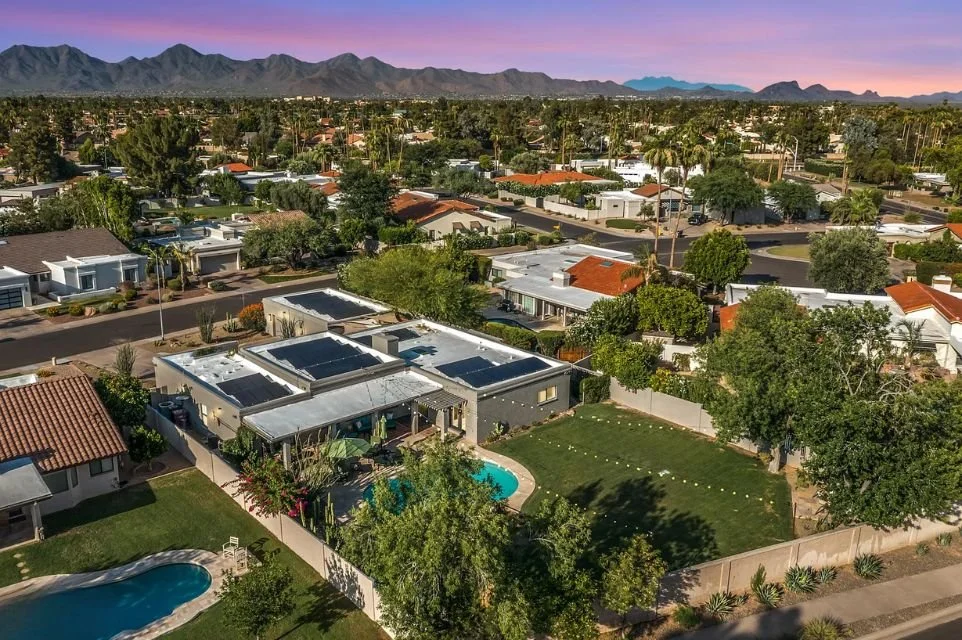
McCormick Ranch sits in the 85258 zip code. Here's where single-family detached stood as of September 13, 2026.
The annual median sale price is $1,344,000, up 8.4 percent year over year, with the annual average at $1,547,484. Median price per square foot on annual sales is $534.09, up 6.3 percent. There are 86 active listings against 389 sales over the trailing year, which puts months of supply at 3.6. Median days on market for closed sales is 70, and homes are closing at 95.30 percent of list price. Annual dollar volume for the zip code runs $602,000,000.
What those numbers flatten is the spread underneath them. An original-condition ranch home on an interior lot and a fully remodeled house backing a lake are both in that median, and they are not the same purchase. Condition and lot exposure move price here more than square footage does, which is why the comparable sales on a specific street will tell you more than any zip-code median.
A Real McCormick Ranch Sale
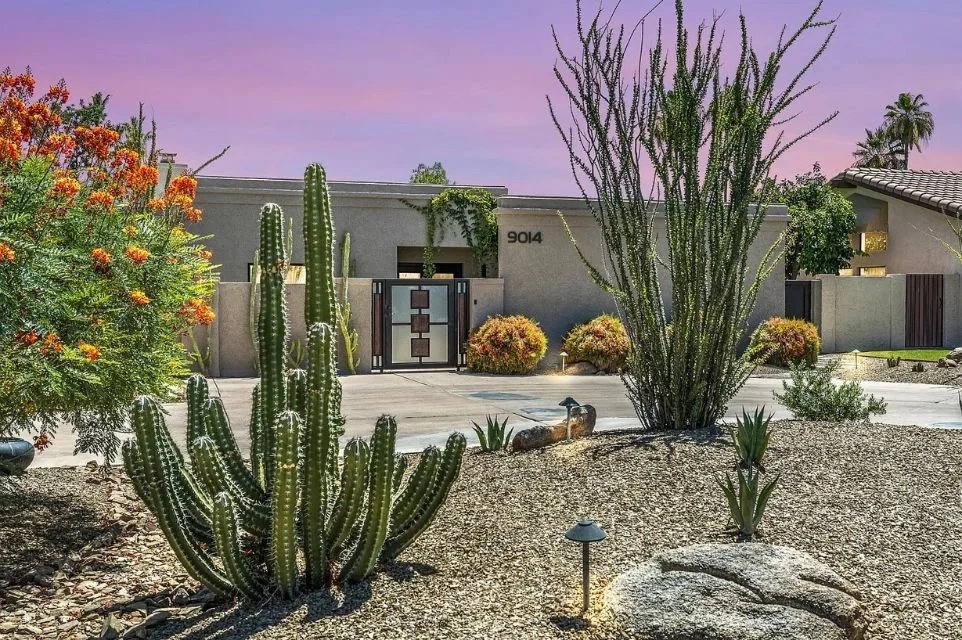
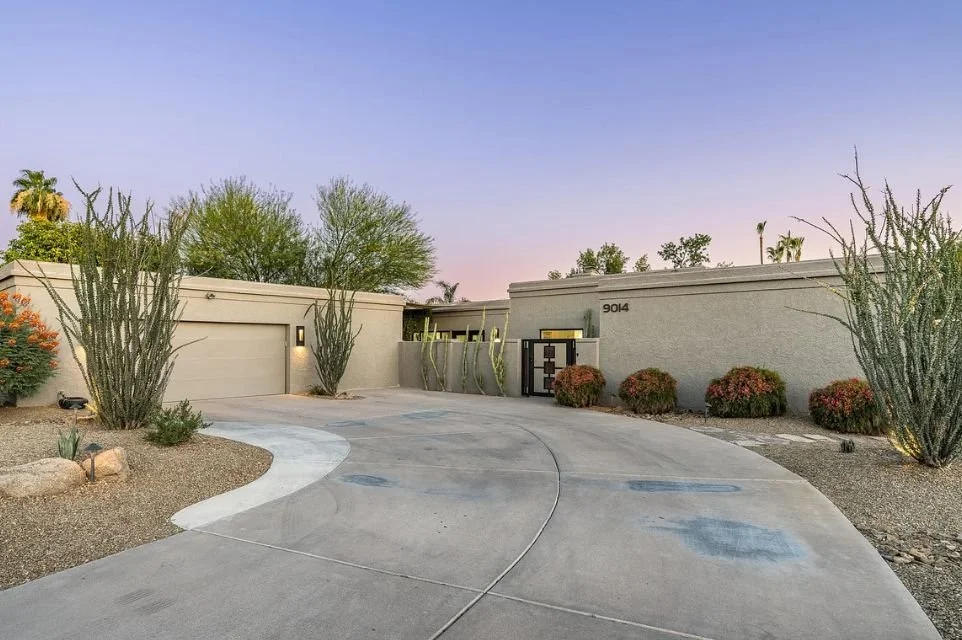
9014 N 81st Street closed at $1,600,000
I've sold two homes in Heritage Terrace within McCormick Ranch. 9014 N 81st Street closed in November 2025 at $1,600,000, and 9175 N 82nd Street closed in March 2026 at $1,730,000. Both transactions came from my own network rather than cold MLS traffic, which is consistent with what I see across this neighborhood generally. Buyers who already know McCormick Ranch tend to move quickly once the right property comes available, because the inventory in any single subdivision is limited and doesn't turn over often.
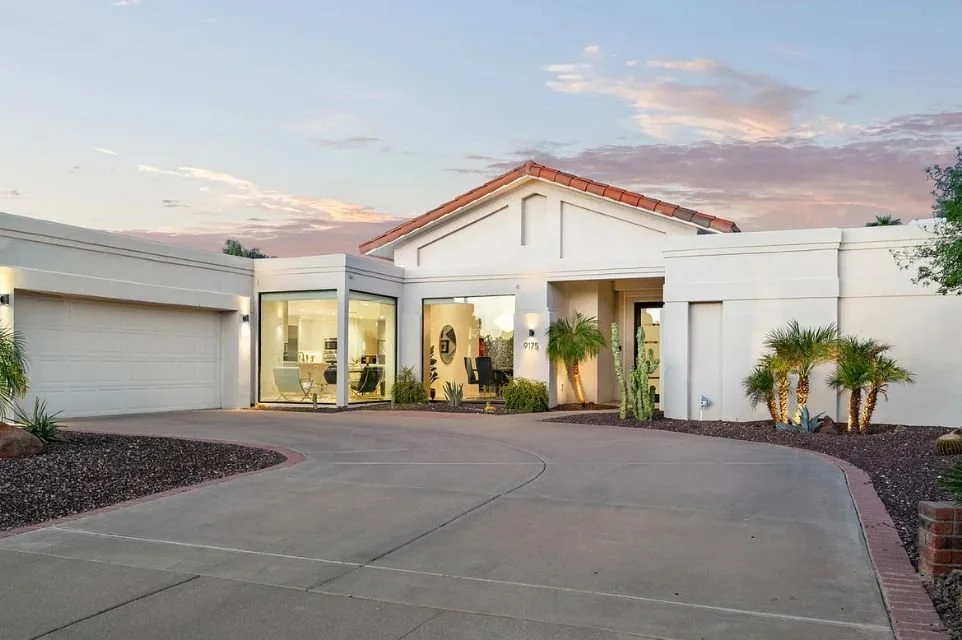
9175 N 82nd Street closed at $1,730,000
What those two sales tell me about the neighborhood is less about a specific price point and more about depth of demand. Heritage Terrace isn't a large subdivision, and having two sales close within the same year at that price level says something about how consistently this part of McCormick Ranch draws serious buyers rather than lookers.
Schools Serving McCormick Ranch
McCormick Ranch falls within the Scottsdale Unified School District, and Cochise Elementary sits physically inside the community next to Mountain View Community Park. A lot of families here walk their kids to Cochise through the greenbelt rather than driving, which is one of the more underrated everyday benefits of the path system.
Cochise is part of SUSD's Chaparral Learning Community, the cluster that feeds Cocopah Middle School and then Chaparral High School. Cochise isn't one of the three C's that get talked about most in this district, but it's a strong school in its own right and it feeds the same well-regarded middle and high schools.
Middle and high school assignment depends on the specific address and can shift with district boundary changes, so verify the exact attendance zone with SUSD before assuming which schools a given property feeds into.
Who McCormick Ranch Works Best For
McCormick Ranch tends to appeal to buyers who want an established, centrally located neighborhood with mature landscaping and direct greenbelt or lake access, without the density of Old Town or the drive times that come with far North Scottsdale. The green is a bigger draw than most people expect. Buyers coming from parts of the country where grass and tree canopy are just what a neighborhood looks like tend to end up here, because there are very few places in Scottsdale or Phoenix that deliver it. It also draws buyers specifically looking for public golf access built into daily life, or for a remodeled older home on a larger lot rather than a smaller new build.
It's a less natural fit for someone specifically searching for brand-new construction, a larger desert lot with mountain views, or the more remote, quieter setting that far North Scottsdale communities offer. Neither preference is right or wrong. It comes down to what a buyer is actually optimizing for.
McCormick Ranch vs. Other Scottsdale Neighborhoods
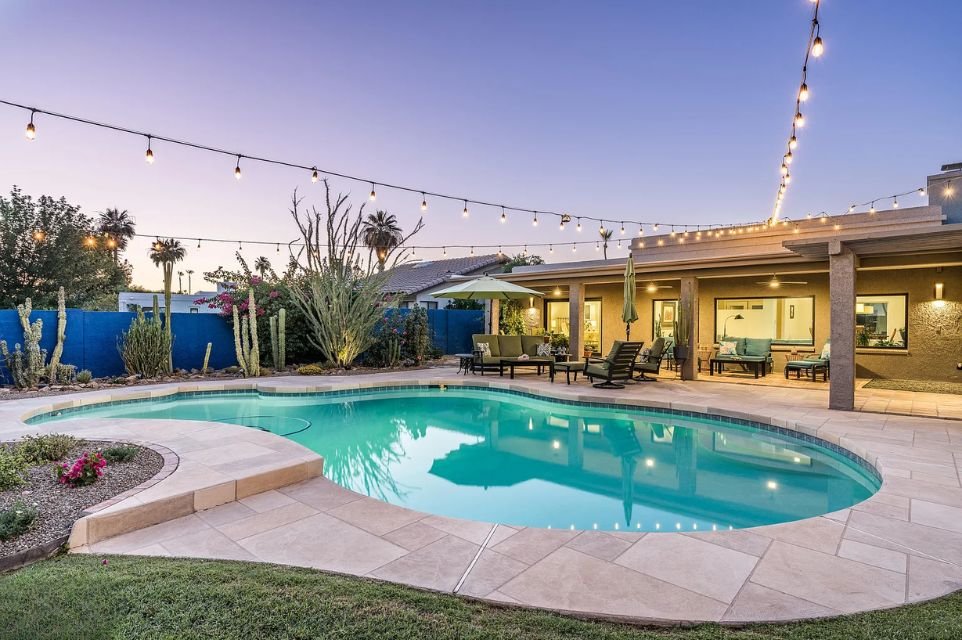
Gainey Ranch sits along McCormick Ranch's northern edge and leans more resort-oriented, built around its own golf club and the Grand Hyatt Gainey property, generally with a higher entry price point and more gated product. Scottsdale Ranch, immediately northeast, shares a similar lake-and-greenbelt character since it was originally part of the same land parcel, but it developed later and carries its own distinct HOA and subdivision structure.
Old Town Scottsdale trades McCormick Ranch's quiet residential streets for walkable density, nightlife, and a younger buyer profile, with a housing mix that skews toward condos and smaller lots. Paradise Valley, directly to the west, moves upmarket into larger custom lots and a different price tier entirely. Arcadia, across the Phoenix line, offers a similar mature-tree, mid-century character but without McCormick Ranch's lake system or golf infrastructure.
None of these is objectively better. They serve different priorities, and the right answer depends on what a buyer actually wants day to day.
What I Tell Buyers Before They Buy in McCormick Ranch
McCormick Ranch is easily one of the most desirable locations in all of Scottsdale. With that comes a lot of competition. Home values have climbed incredibly fast since 2020 in McCormick Ranch and while the market is currently on the slow side for sellers with homes sitting on market, the best homes still have a ton of competition with multiple interested buyers.
I would be remiss if I didn’t mention the HOA tradeoff. McCormick Ranch is truly gorgeous and very well maintained. However, the HOA is pretty aggressive with violations. My clients have had multiple headaches dealing with the HOA, particularly when they go to sell their home. If you are comfortable with that, McCormick Ranch remains one of my top recommendations for out of state clients moving to the valley for the first time.

Cody Wolfe is a real estate broker and Partner at The Agency Scottsdale, representing buyers and sellers across Scottsdale, Paradise Valley, McCormick Ranch, and Arcadia.